
學(xué)術(shù)造假英語(yǔ)作文范文
Introduction to Academic Misconduct
Academic fraud, including plagiarism, data fabrication, and ghostwriting, has become a pressing issue in universities worldwide. This essay explores its causes, consequences, and solutions, providing a clear example for students to understand ethical writing. Many young scholars unknowingly cross the line when pressured by deadlines or grades. Recognizing these dishonest practices is the first step toward upholding integrity in education.
Why Do Students Commit Academic Fraud?
The most common drivers are intense competition, poor time management, and fear of failure. With scholarship quotas shrinking and graduate school admissions becoming harder, some students feel they have no choice but to cheat. Additionally, the internet makes it easy to copy-paste or buy pre-written papers. However, these shortcuts never lead to true learning; they only create a cycle of dependency and anxiety.
What Are the Serious Consequences?
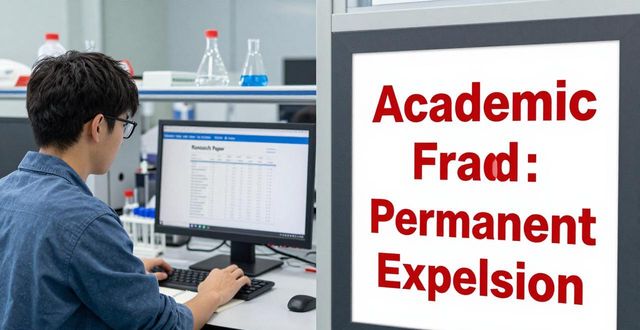
Universities impose strict penalties, from failing the assignment to permanent expulsion. Beyond grades, academic fraud damages a student’s reputation, making it difficult to gain trust from future employers or research supervisors. In extreme cases, falsified data can harm scientific progress or public health. For example, retracted medical studies have wasted millions in funding and endangered lives. Thus, the risk far outweighs any temporary benefit.
How Can We Prevent Academic Misconduct?
Educators should teach proper citation skills and design assignments that emphasize original thinking. Institutions must use plagiarism-detection software and create honor codes with clear reporting mechanisms. Meanwhile, students can form study groups,use writing centers, and break large tasks into manageable steps. Remember, a single honest effort teaches more than a hundred copied pages.
What strategies would you suggest to help a struggling friend avoid the temptation of academic fraud? Share your thoughts below, and don’t forget to like and pass this essay to others who need ethical guidance.